
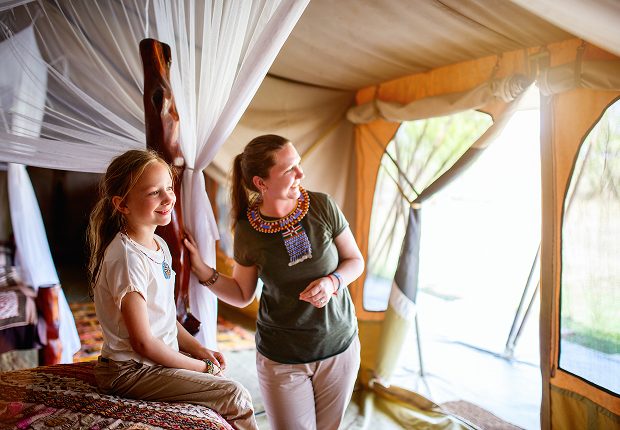
Curate personalized experiences
We curate highly personalized journeys by tailoring every detail to your interests, pace, and travel style, ensuring that no two itineraries are ever the same and that your safari reflects exactly what matters most to you, creating a truly unique and meaningful African experience.
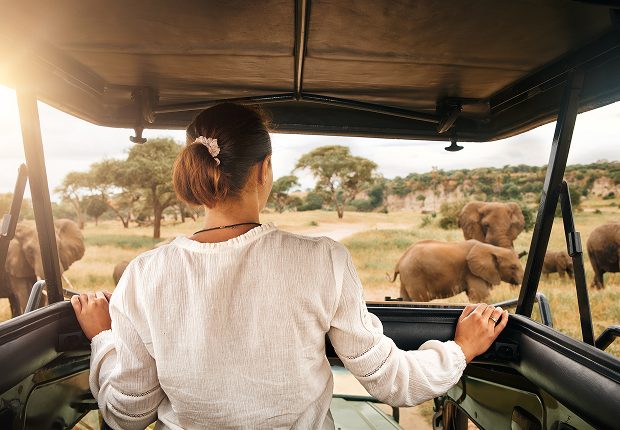
Responsible travel
Responsible travel is central to everything we do because it protects the wildlife, landscapes, and communities that make Africa extraordinary. We partner with lodges and organizations that prioritize conservation, support local employment, and invest in long term sustainability, ensuring your journey has a positive and lasting impact.
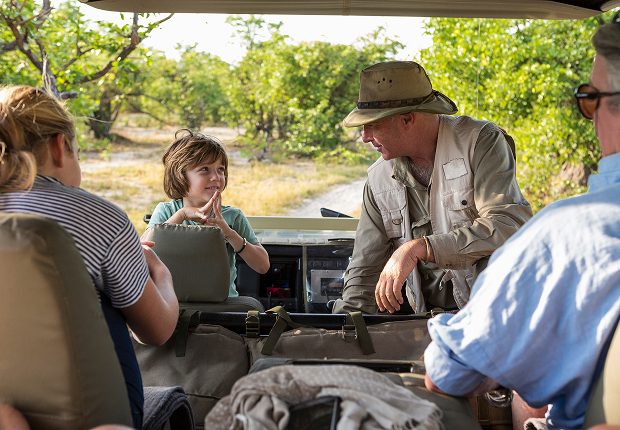
Unmatched safari experts
Our team includes some of the world’s finest safari experts who bring decades of firsthand experience, deep local knowledge, and trusted relationships across Africa. They understand every region intimately and design journeys with insight, precision, and care, ensuring your safari is planned at the highest possible standard.
MEET OUR TEAM
Working with your budget
We create exceptional safaris at a wide range of budgets, selecting lodges and experiences that deliver outstanding value without compromising quality. With thoughtful planning and expert guidance, a trip to Africa can be far more accessible than many travelers expect while still feeling special and unforgettable.


Why go through a company such as Exeter Safari Company?
An African safari is, for many people, a once in a lifetime trip and for that reason you will want to be sure the arrangements are flawless. A safari incorporates many different elements including airport arrival and departure services, transfers, light aircraft flights, the routing to remote lodges and the most knowledgeable local guides. Coordinating all these different services, often throughout multiple countries, languages and currencies can be daunting. Fortunately, with offices in the US and on the ground in Africa, Exeter Safari Company is perfectly positioned to ensure every traveler is carefully taken care of from start to finish.
By going through an experienced safari company which has a wealth of local knowledge, local connections and years of experience in the region you can be sure you will be receiving the highest possible level of service before, during and after your travels. At the Exeter Safari Company we work with only the best guides, highest quality lodges at every price point, and the most reliable transportation providers in Africa. Our extensive experience and connections throughout the continent will ensure your trip goes off without a hitch.
In addition, you will enjoy the peace of mind knowing that you have access to 24/7 support both before your departure and during your time in Africa.
What should I wear on safari?
When deciding what clothing to pack for a safari trip your main priority is going to be comfort, coverage, durability and ease of packing. Keep in mind safaris often include light aircraft flights on to which normal hard sided suitcases are not allowed. You will therefore want to pack your clothing and other items into a soft sided duffel style travel bag (no larger than 24 inches long and 15 inches wide) that can be easily stored along with other travelers’ bags in the small luggage compartments on board. Note there is also a strict 15KG (33lbs) weight limit for your luggage.
Regardless of the time of year you are traveling, or the expected temperatures, you will want to be prepared for some cooler occasions. In order to find animals while they are at their most active, safari drives generally take place in the early morning and late afternoon/early evening. You will therefore often be out and about during the cooler parts of the day and this combined with sitting in the back of an open sided safari vehicle means it can get chilly – even in the middle of Summer. Accordingly, you will want to bring one or two light jackets, preferably that can be layered, so when it does start warming up you are able to shed layers and maintain a comfortable temperature.
It is also important where possible to wear long-sleeve shirts and pants to help with both sun and insect protection (fleece is great as insects can’t bite through it). Mosquitoes, Tsetse flies and other small flying insects can be bothersome during certain parts of your safari and preparing for them ahead of time will make your trip that much more pleasant. You will want to avoid bringing dark blue and black clothing as this color is known to attract certain flying insects such as Tsetse flies. You may also want leave behind your favorite white clothing as they can quickly become dirty from the dust in the air and climbing in and out of the safari vehicle. Last you will want to keep in mind you are trying to remain inconspicuous while on safari and so bright colors and loud prints should be avoided. Instead opt for more neutral tones in greens and browns that will help you blend into your surroundings.
When it comes to footwear you will again want to choose an option that covers as much of your bare skin as possible, think hiking boots or closed shoes with long socks rather than flip-flops or sandals. You will also be climbing in and out of vehicles and walking on uneven terrain that could have sharp rocks or thorns and so you will want footwear that is relatively durable. Your safari may include bush walks and so you will want to wear sturdy hiking boots on these occasions. Around the lodge area you will be able to wear more casual and lightweight footwear including flip flops or sandals, assuming you have bug-spray to stop any pesky mosquitoes that may be in the area. While in your rooms you will normally have mosquito nets over the bed area however you may still want to bring some full-length pajamas to ensure you have less skin exposed to any mosquitoes that did manage to sneak in.
When is the best time to travel to Africa?
The short answer is anytime! While there are better and worse times to be on safari throughout the various regions of Africa because the continent is so large and so diverse whenever you are looking to travel there will be a destination that is right for you.
Traditionally, the best time to go on safari is during the dry season that broadly runs from June through October, however this season does vary significantly depending where in Africa you are considering. During the dry season the vegetation is much less dense and because the grass is shorter it is much easier to track and locate wildlife. Additionally, when there is less rainfall there are fewer available water sources for wildlife to gather around. This results in the animals tending to congregate around the same lakes, pans and rivers which again makes for great game viewing (and leads to some interesting herbivore/predator encounters!).
Often during the wet season, also called the green season, when water sources are abundant, the wildlife tends to spread out over an enormous area. Many camps and lodges close during this time of year, often December through February as the dirt tracks that surround the lodges become impassable.
Another aspect to consider, especially if visiting East Africa, is the great migration. Please visit our page that explores this topic at length as it will give you a good idea as to where the migration is located at any particular time of year.
What about yellow fever?
Yellow Fever is a disease found in many parts of sub-tropical Africa transmitted into humans through Mosquito bites. As it can be quite a serious illness it is essential you receive a yellow fever vaccination before embarking on a trip to an effected country.
The main safari destinations where Yellow Fever vaccinations are required are Kenya, Tanzania, Zambia, Uganda and Rwanda. Other countries such as South Africa and Botswana require you to arrive with a yellow fever vaccination even if you have only transited through or visited a country where yellow fever exists within the past 6 months (keep in mind many of the countries on this list are in South America).
Check with your Exeter Safari Company expert for the specific requirements regarding the destinations included in your program. It is important to note the Yellow Fever vaccine requires 10 days before it becomes effective and so don’t leave it to the last minute!
What are the chances of seeing the Big Five on safari?
Wildlife sightings can never be guaranteed, as you are exploring animals in their natural habitat. However, in well-managed private reserves and prime national parks, sightings of lion, leopard, elephant, buffalo, and rhino are frequent, particularly when guided by experienced rangers and trackers. Your specific destination and season will influence viewing conditions, which we strategically consider when designing your itinerary.
What does a typical day on safari look like?
Most safari days follow the rhythm of the bush. You can expect an early morning game drive at sunrise, followed by brunch and downtime during the warmer midday hours. Afternoon tea is served before heading out for a late afternoon game drive that often transitions into a sunset stop, returning to camp for dinner under the stars. The pace is immersive yet restorative, balancing wildlife exploration with time to relax and absorb the surroundings.
Will there be WiFi and cell service in camp?
Most safari lodges and camps offer WiFi in main areas, though connectivity may be slower or limited due to their remote locations. Cell service varies by region and is often strongest near main areas of camp. Many guests appreciate the opportunity to disconnect and be fully present in the experience, while still having the ability to check in with family or business as needed.
When is the best time to go on safari?
The ideal time depends on the region and your interests, however, there is rarely a wrond time to go to Africa. Peak wildlife viewing often occurs during the dry months of June – September, while the green season of November – May offers lush landscapes and fewer travelers. We tailor timing to your goals, whether that is the Great Migration, photography, or privacy.
How far in advance should I book a trip to Africa?
At least six to twelve months is recommended, especially for top lodges with limited rooms. Some exclusive properties book out more than a year ahead, so early planning ensures the best availability and experiences.
Is Africa safe for luxury travelers?
Yes. We work only with reputable lodges, trusted transfer companies, and professional guides. You also receive 24 hour local support and a dedicated WhatsApp group throughout your journey, ensuring complete peace of mind from arrival to departure.
What level of comfort can I expect at safari lodges?
Luxury lodges offer exceptional comfort with fine dining, spacious suites, excellent service, private decks, and often private plunge pools. Remote camps provide immersion in nature while still offering high quality amenities.
Can you accommodate dietary restrictions and special requests?
Absolutely. Lodges are highly accustomed to catering for dietary preferences, allergies, wellness needs, and personalized experiences. We communicate all requirements in advance to guarantee a seamless stay.
How does internal travel work between destinations?
Many itineraries use light aircraft flights for comfort and convenience. These flights reduce travel time and allow easy access to remote areas. All transfers, flights, and logistics are handled by our expert teams.
What makes booking through Exeter Safari Company different?
You benefit from the combined expertise of our US based team and our Africa based operations managers, along with deep local knowledge, trusted relationships, and fully personalized itineraries designed for your travel style. Every detail is handled so your journey is effortless and unforgettable.